Australian concrete journal

Custom Concrete Concepts

Outdoor living

Concrete outside the building line — clay movement, coastal salt, wet-area slip resistance and the outdoor rooms Australians actually use.

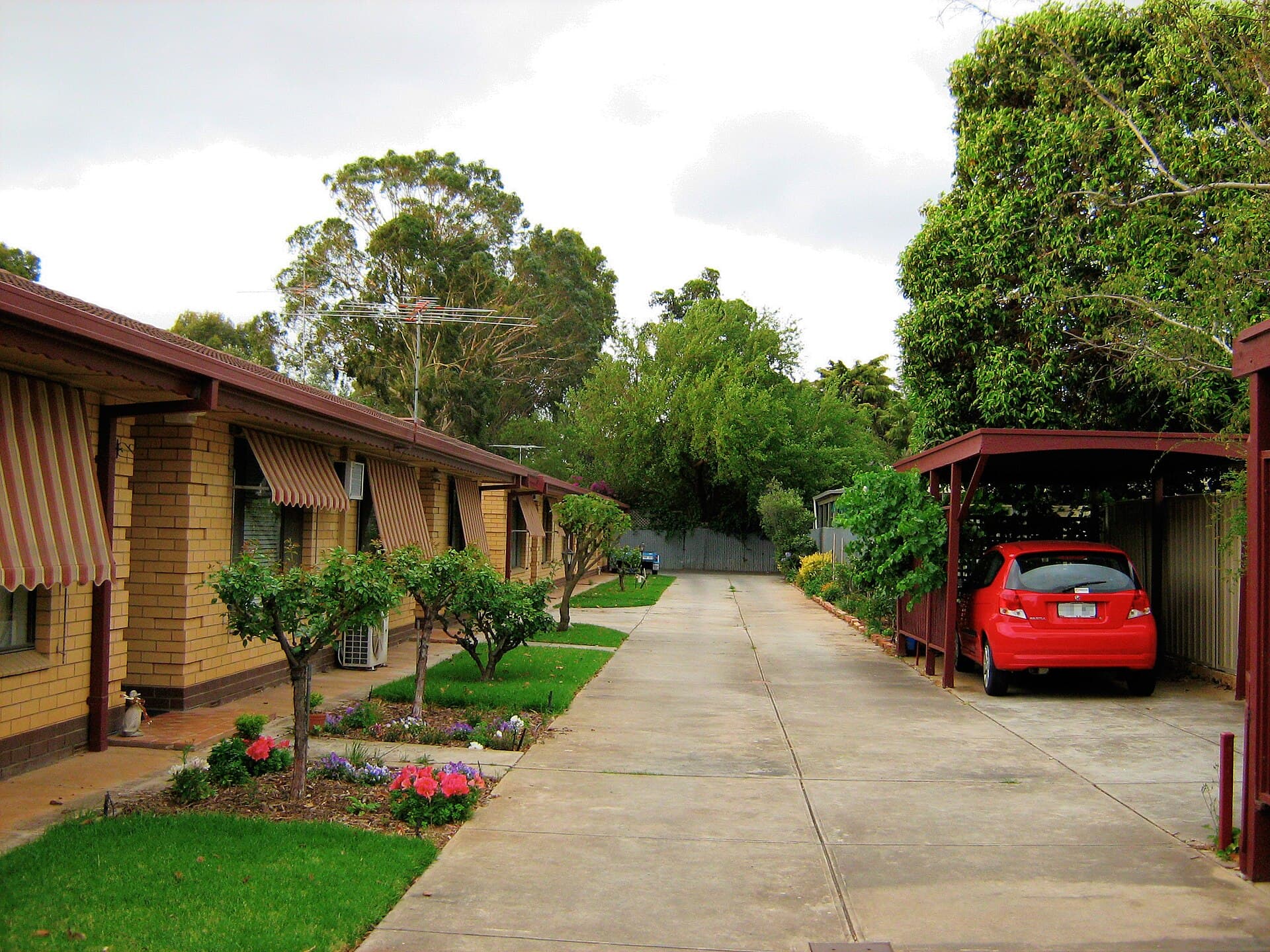
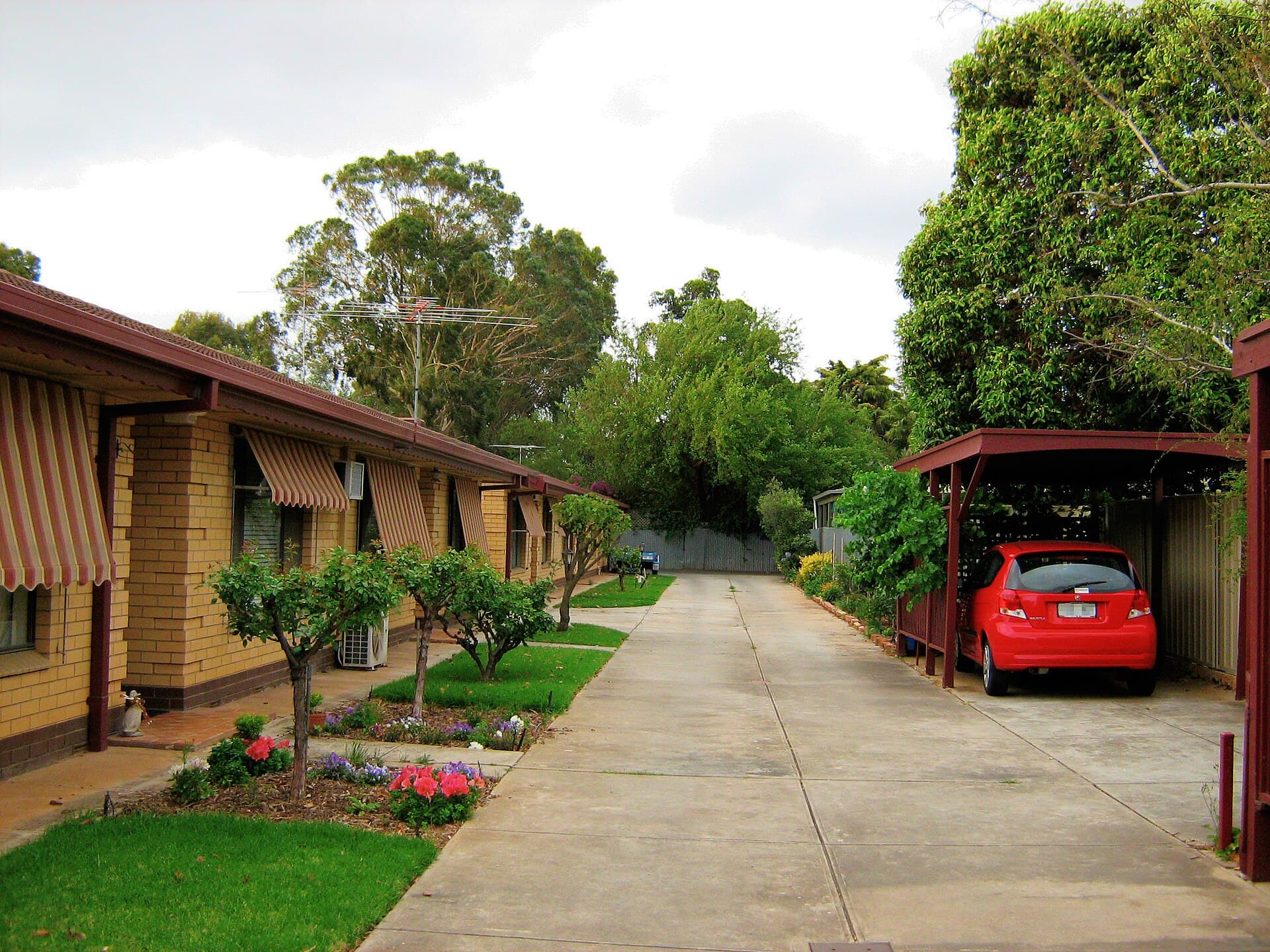
A residential driveway in Maylands, Adelaide, South Australia
Photograph by Taryn. Driveway.jpg. Wikimedia Commons, CC BY-SA 2.0. Full attributions sit on the image credits page.

Most of the concrete an Australian household actually sees is outside: the driveway that takes the ute, the patio that takes Christmas, the pool surround that takes wet feet at 46 degrees. Outdoor living is not a lifestyle extra. It is the wear layer of the block.

The recurring villains are familiar. Reactive clay in Melbourne’s west and Adelaide’s inner north. Salt and UV on the east coast and in the west. Irrigation that never quite matches the joint layout. A barbecue island detailed like indoor cabinetry. A path poured without a step that the Building Code would call a trip.

This hub is for those surfaces: driveways on clay, coastal patios, pool surrounds, outdoor kitchens, garden paths and steps, and retaining walls.

If you only read one idea across them, make it this: outdoor concrete fails at edges, joints and the first wet week — not in the middle of the photograph.

Articles in this hub

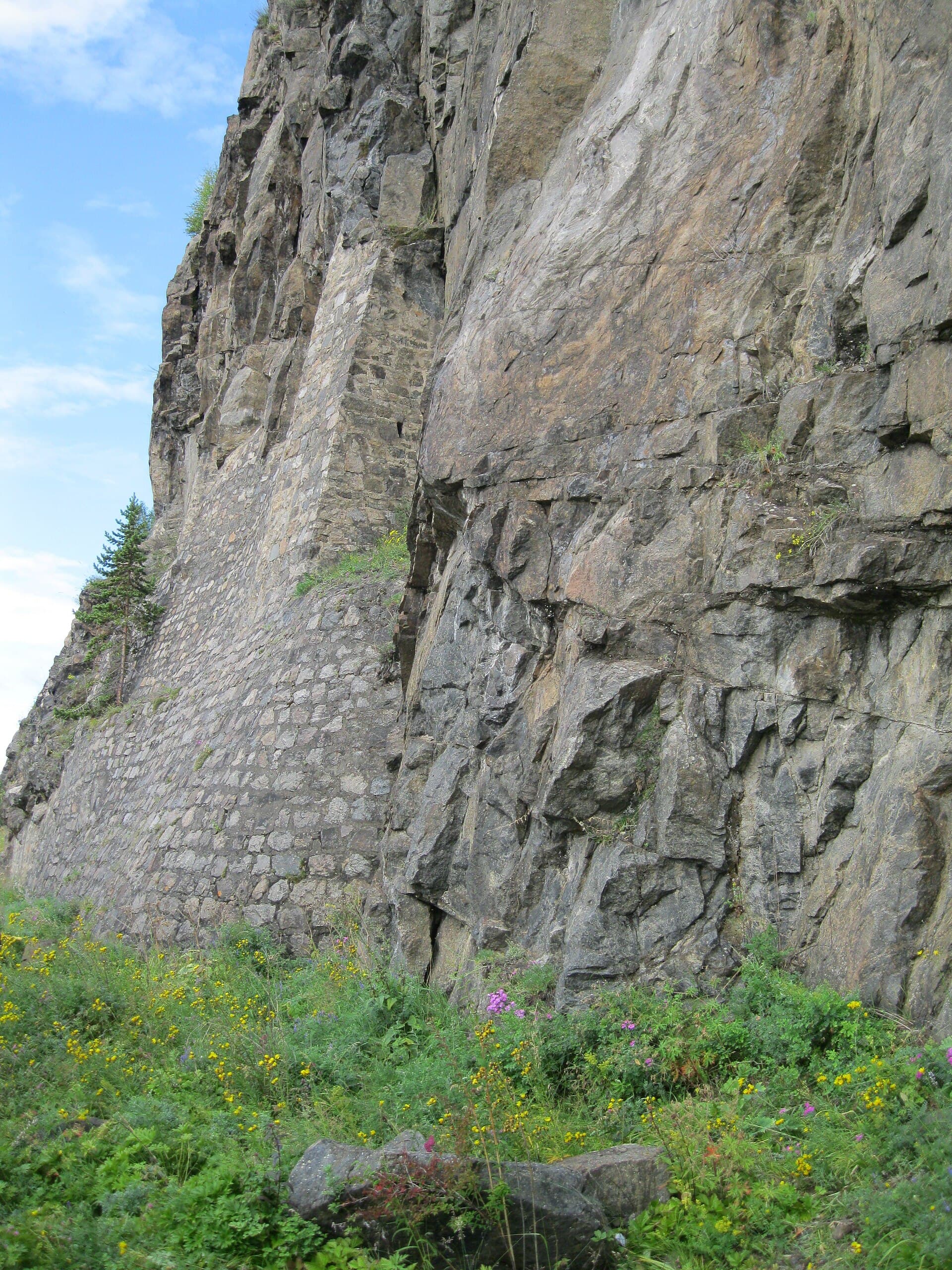
A concrete retaining wall

· 13 November 2024

Landscape retaining walls in concrete

A landscape retaining wall is a structure that holds soil, water and often a driveway surcharge — not a vertical finish. Height, drainage behind the wall, and whether an engineer is required matter more than the face. This briefing compares sleeper, block and poured concrete, and the roots and loads that rewrite an undrained wall.

Read the article

A garden path through planting

· 25 September 2024

Paths, steps and level changes in the Australian garden

Garden paths fail as circulation long before they fail as photographs. Trip geometry, landings, lighting and tree roots decide whether a level change is a stair or a hazard. This is a plain-language briefing on NCC ideas, permeable versus slab paths, and routes that can take a pram or a wheelchair — not legal advice.

Read the article

An outdoor barbecue

· 20 August 2024

Concrete outdoor kitchens and barbecue islands

An outdoor kitchen is a piece of climate, not a cabinet with a grill dropped in. Mass, hygiene, heat from the barbecue, and the services that feed gas, water and power all have to live with a slab that will move. Sealers that work indoors fail faster outside, and grease is a briefing item, not a surprise.

Read the article

A swimming pool with surrounding deck

· 3 June 2024

Pool surrounds — slip resistance, heat and salt

A pool surround has to take wet feet, midday heat and the chemistry of a salt-chlorinated pool without becoming a slip or a burn. Coping is not the same job as the deck. This piece translates wet-pendulum ratings into briefing language and compares broom, exposed and honed finishes.

Read the article

A house oriented toward the sea

· 17 April 2024

Patio and alfresco concrete for coastal climates

Salt, wind and UV punish a coastal patio faster than a catalogue image suggests. Falls, cover to steel, the junction at the house damp-proof course, and a colour that can take heat all matter more than the furniture photograph. Written for coastal Queensland, New South Wales and Western Australia.

Read the article

A residential driveway in Maylands, Adelaide

· 28 February 2024

Designing driveways that survive clay soils

Reactive clay in Melbourne’s west, Adelaide and western Sydney will move a driveway whether the photograph looks solid or not. Thickness helps, but joints, edge beams, trees and drainage away from the house decide whether the slab stays serviceable. This is a briefing on what actually fails — and what to ask before the truck arrives.

Read the article