Outdoor living · 17 April 2024
Patio and alfresco concrete for coastal climates
Salt, wind and UV punish a coastal patio faster than a catalogue image suggests. Falls, cover to steel, the junction at the house damp-proof course, and a colour that can take heat all matter more than the furniture photograph. Written for coastal Queensland, New South Wales and Western Australia.
By Elise Hart, Editor · Updated 2 November 2025
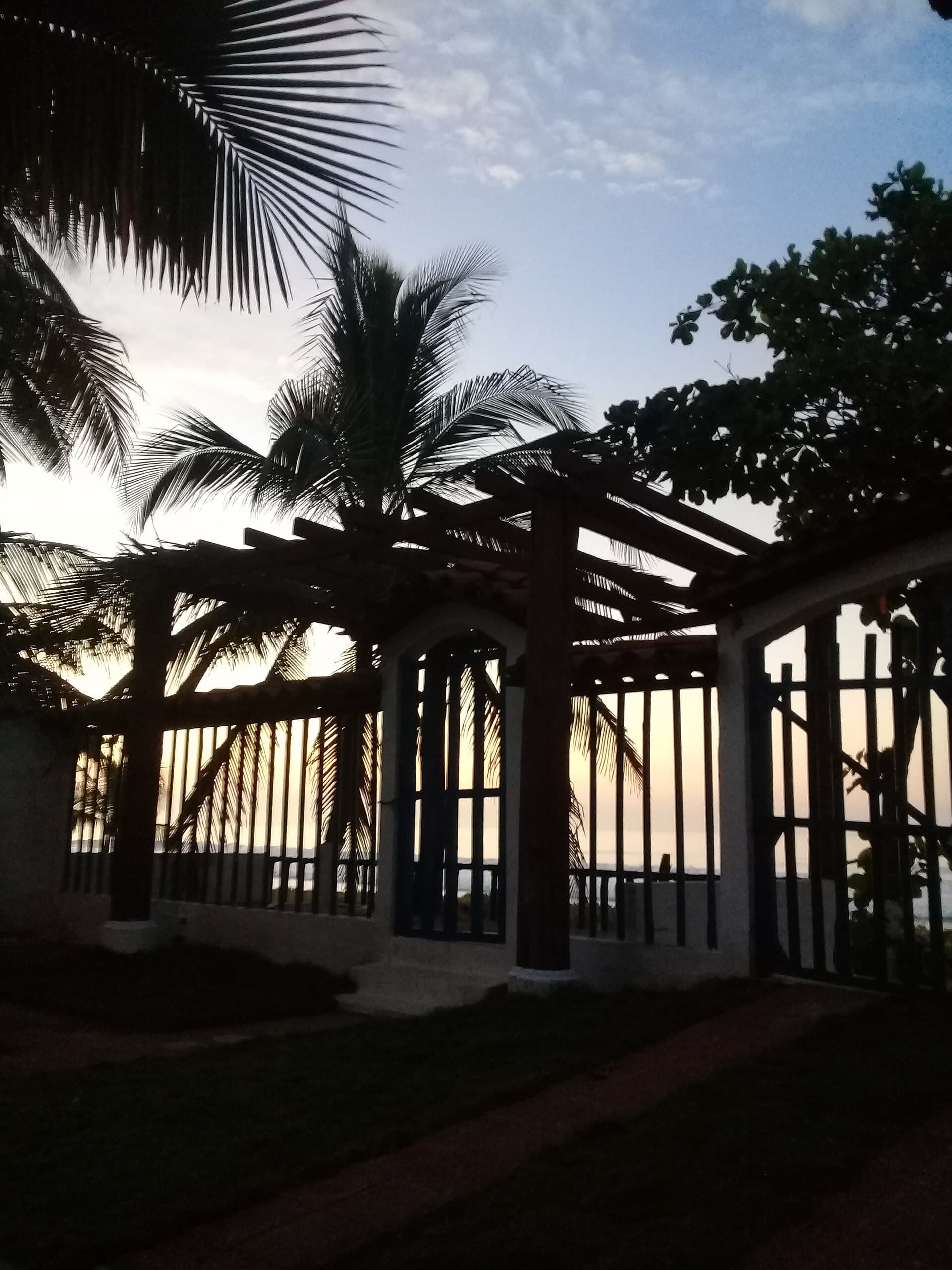
A coastal patio is asked to be a floor, a drain, a piece of the house, and a piece of the weather. Salt arrives as spray and as dry dust. Wind dries the slab while it is still young. Ultraviolet light does the slow work on anything organic on the surface — a cheap acrylic, a timber stain from a chair, the oil from a late lunch.
Coastal Queensland, New South Wales and Western Australia do not share a climate. A shaded verandah at Fremantle and an unshaded Gold Coast terrace fail for the same family of reasons: water that cannot leave, steel too close to the weather, a junction that wets the wall, and a colour chosen in an air-conditioned showroom.
Salt is a climate, not a stain
Salt leaves a white film that people notice. It also keeps the surface damp and feeds corrosion if reinforcement is close to the face. The film can be washed. The corrosion cannot.
A patio five or ten kilometres inland is not automatically safe. Wind carries spray a long way on a flat coast, and dry salt sits in pores until the next dew. If the house already needs stainless fixings, the slab is in the same weather.
The useful questions are not poetic:
- How close is the steel to the weather face, including any step, rebate or honed arris that reduced cover after the pour?
- Does wash-down and rain actually leave the slab, or does it sit in a low corner against the house?
- Are metal chairs, planters and a barbecue going to sit in the same puddles?
Pool surrounds deal with salt from chlorination as well as from the air. A patio without a pool still inherits the air. Do not assume a “standard residential slab” cover is enough because nobody is swimming.
Wind and UV arrive before the furniture
Wind is a curing problem first. A slab poured on a bright, gusty day can lose surface water faster than the mix can bleed it back. The result is a crust that maps, dusts, or takes a poor trowel. If the crew cannot put up a break or a wet cure, you are paying for a finish the weather will edit.
Ultraviolet light chalks some sealers, yellows others, and makes a dark oxide feel hotter than the day. It also fades any organic colour that was never in the matrix. Integral oxide in a light or mid range is the more honest coastal colour. It will still shift a little. It will not peel.
The pretty photograph is taken on a still morning. The slab has to live through the afternoon sea breeze.
Falls to drains are not optional on a terrace
An alfresco slab that is “almost flat” is a pond with furniture in it. Coastal rain can be brief and hard; wash-down after a sandy weekend is daily in some households. Both need a fall a person can read — enough that water does not sit under a table leg or against a door track.
A grate at the door is not a decoration. It is the legal and practical way to stop the patio from becoming the house’s lower storey. Set the grate so it can be lifted and cleaned. Sand, salt and leaf litter will fill a pretty linear drain in a season if nobody can get a hose into it.
Falls should run away from the building line, not along it for ten metres before they remember a corner. A long, almost-level run against the wall is how you wet the bottom plate. On a suspended or filled terrace, check that the fall you want still leaves cover to the steel and still meets the door threshold without a trip.
The damp-proof course is a line, not a suggestion
The junction between patio and house is where coastal work goes quietly wrong. The damp-proof course (DPC) in the wall is there to stop moisture climbing. A slab poured too high, a screed that bridges the DPC, or a render that takes patio splash up the face will wet the wall from the outside while everyone argues about “rising damp”.
Keep the finished patio below the DPC. Isolate the slab from the wall. Do not pack soil or a planter against the cladding because the edge looked bare. If the patio must step up to a door, do it with a threshold detail that still sheds water, not by lifting the whole slab to the height of the interior floor and hoping a mat will cope.
This is also where movement shows. A patio on fill, or a patio on the same reactive ground that troubles driveways on clay, will not move with the house. An isolation joint at the wall is not a gap you fill with grout later. It is the joint that keeps the crack from walking into the living room.
Furniture staining is a use problem
Coastal households put rusting chair feet, terracotta pots, sunscreen and fish on the same surface. A honed light slab will show rust rings; a sealed dark slab will show every oil drip when the film wears. There is no finish that is stain-proof, slip-safe, cool and maintenance-free. There is a hierarchy:
- Keep metal feet off the slab, or accept that ferrous staining is a maintenance item.
- Put planters on feet so water and tannin do not sit in a ring.
- If you want a sealed look, budget to reseal. Wind-blown grit abrades a film faster on the coast than in a sheltered courtyard.
- If you want to live with an unsealed or penetrating finish, choose a colour and a texture that can take a mark.
An outdoor kitchen or barbecue island on a coastal patio adds grease and heat to the same list. Detail the island so fat does not run to a low point against the house.
Light colours, heat and the February test
A dark oxide terrace facing north or west on the New South Wales coast, or sitting unshaded in coastal Queensland, will store heat and give it back through the sole of a foot. That is not a matter of taste. It is a matter of whether the space gets used at the hour it was designed for.
Light colours reflect more of the sun. They also show less of the daily salt bloom, or at least forgive it. The February test is simple: stand on a sample panel at two in the afternoon, in the actual orientation, after the panel has sat in the weather. If you cannot stay there in bare feet, do not specify that colour for a patio the household will cross to the clothes line.
Cover to steel is the unfashionable specification
After the grind
Decorative work likes thin edges, pencil rounds, and a grind to “clean up” a lip. Each of those moves can steal millimetres of cover. On a coastal slab, cover is the distance between salt and rust. Once rust starts, the face stains and then spalls. No sealer reverses that.
Ask what cover is being provided to mesh or bar — including after any grind, honed finish, or rebate at a drain. Ask whether the chairs will actually hold that cover when someone walks the steel before the pour. Ask whether a coastal exposure classification has been considered at all, or whether the mix is the same one used on an inland garage.
Materials and method is the place for the longer mix conversation. The short version: do not buy a finish that requires you to cut toward the steel.
Coastal Queensland, New South Wales, Western Australia
The east-coast storm is often short, hard, and followed by sun that cooks the surface. A roofed alfresco helps people; it does not exempt the open apron from UV or salt. In humid Queensland, mould on a sealed slab is a maintenance item — a washable texture matters more than sheen.
New South Wales coastal work often means a narrow block, a steep fall to the street, and a council that cares what you discharge. The patio may be the only level outdoor room. That is an argument for the drain, not for pouring dead flat so a table does not rock.
Western Australian coastal light is hard, the wind is dry, and the sand grinds a surface efficiently. Curing and a realistic sealer cycle matter as much as the oxide. A Fremantle afternoon will tell you more about a sample than a photograph in soft light.
None of these coasts need a different fashion. They need the same disciplines: cure against wind, fall to a cleanable drain, keep the DPC clear, give the steel its cover, and choose a colour you can stand on in February.
A short brief for the pour
Write down the orientation, the nearest salt water, and whether the space is roofed. Ask for a fall to a named drain. Ask for the patio level relative to the DPC. Ask for cover after the finish you actually want. Ask for an isolation joint at the house. Then choose the colour on a panel that has sat outside, not on a chip under fluorescent light.
On the coast, the weather is a co-author. Let it write the falls and the cover. You can still choose the chairs.
Questions this piece answers
Should a coastal patio be a light colour?
A light integral colour stays cooler underfoot and usually weathers more evenly in hard sun. It will still need a fall to a drain and adequate cover to any steel. Dark oxide looks dramatic at handover and can become uncomfortable, and sometimes dusty, by the first February afternoon.
How does a patio connect to the house without wetting the wall?
The slab should sit below the damp-proof course, fall away from the building, and leave a clear isolation joint at the wall. Do not bury the DPC, bridge it with render, or pond wash-down water against the cladding.
Is coastal concrete a different mix, or just a different sealer?
Both, if you are being honest. Cover to reinforcement, a durable mix and a joint layout come first. A sealer is a wearing coat, not a substitute for cover or drainage. Wind and UV will test whichever product you put on the face.
Keep reading in this hub
- Landscape retaining walls in concrete
A landscape retaining wall is a structure that holds soil, water and often a driveway surcharge — not a vertical finish. Height, drainage behind the wall, and whether an engineer is required matter more than the face. This briefing compares sleeper, block and poured concrete, and the roots and loads that rewrite an undrained wall.
- Paths, steps and level changes in the Australian garden
Garden paths fail as circulation long before they fail as photographs. Trip geometry, landings, lighting and tree roots decide whether a level change is a stair or a hazard. This is a plain-language briefing on NCC ideas, permeable versus slab paths, and routes that can take a pram or a wheelchair — not legal advice.
- Concrete outdoor kitchens and barbecue islands
An outdoor kitchen is a piece of climate, not a cabinet with a grill dropped in. Mass, hygiene, heat from the barbecue, and the services that feed gas, water and power all have to live with a slab that will move. Sealers that work indoors fail faster outside, and grease is a briefing item, not a surprise.