Materials and method · 8 October 2024
Low-carbon mixes, recycled aggregate and SCMs
A lower-carbon mix is a specification, not a colour. This essay looks at embodied carbon, the real availability of fly ash and slag in Australia, the limits of recycled aggregate on a decorative face, and the questions that separate a plant conversation from greenwash.
By Sophie Walsh, Architecture editor · Updated 8 March 2026
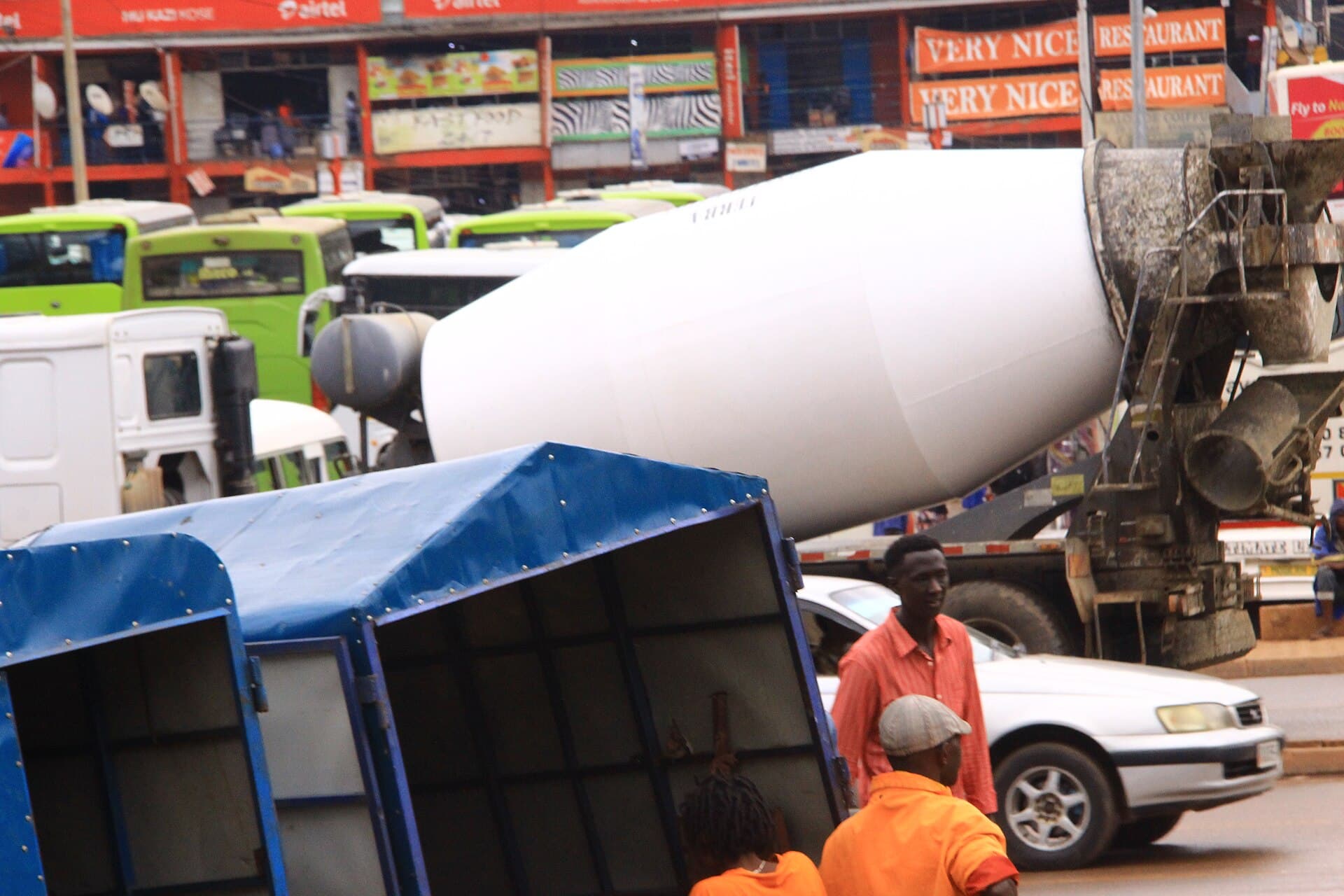
Cement is the expensive ingredient in concrete, thermally and financially. Most of the embodied carbon in a house slab sits in the Portland cement, not in the stone that makes up the bulk of the volume. A lower-carbon mix is therefore usually a mix that uses less of that cement, or that replaces part of it with a supplementary cementitious material that would otherwise be a waste stream. The idea is sound. The marketing is often not.
This essay is about what an Australian plant can actually batch, what a decorative face can actually tolerate, and the questions that keep a good intention from becoming a mottled courtyard with a story attached.
Embodied carbon, said plainly
Embodied carbon is the greenhouse gas attributed to making a thing, before anyone turns on the lights. For concrete, the large number is clinker: the fired stuff at the heart of Portland cement. Transport, aggregate production and reinforcement matter too, but they rarely beat a generous cement content.
A house does not become a climate project because the driveway is “eco”. A house can, though, stop being wasteful in the one material it uses by the cubic metre. The levers that are real:
- Less cement for the same duty. A mix designed, not copied, so you are not pouring a bridge into a path.
- Supplementary cementitious materials (SCMs). Fly ash, slag, and sometimes silica fume, replacing part of the cement.
- Sensible volume. The lowest-carbon decorative slab is sometimes a smaller slab, or a pavement that is not 200 millimetres because someone was nervous.
- A long life. A driveway that lasts forty years without an overlay has already done carbon work that a fashionable topping has not.
What is not a lever: a sealer tinted green, a verbal promise, or a truck that is the same mix as last year with a new adjective.
If the carbon claim cannot survive contact with a mix docket, it is not a claim. It is a mood.
Fly ash and slag in Australia
What a plant can actually hold
Australian ready-mix has used SCMs for a long time, for reasons that were durability and cost before they were a brochure. Decorative mix design already depends on them. The carbon conversation is, in part, a request to use them on purpose and to say how much.
Fly ash comes from coal-fired power. New South Wales and Queensland have been the historic sources. As stations close or convert, the ash that is suitable for concrete — consistent, low in unburnt carbon — becomes a commodity with a shrinking map. A plant that specified a thirty per cent replacement last decade may be blending differently now, or trucking ash further, which eats part of the carbon advantage. Ask what they are using this quarter, not what the industry used in a textbook.
Ground granulated blast-furnace slag comes from steelmaking. Supply is tied to a few industrial sites and to imports. Slag can replace a substantial part of the cement in many mixes and is often the more reliable pale, cool grey in architectural work. It slows early strength. A decorative crew on a winter site needs to know that, or they will add water and undo both the face and the carbon.
Silica fume is a specialist densifier of the paste, used more in demanding mixes than in house driveways. It is not a general “green” sprinkle.
Availability is regional. A capital-city plant with a serious SCM bin is not the same as a regional yard that has general-purpose cement and a hope. If the job is remote, the lowest-carbon mix may be the one that does not invent a logistics chain for a modest replacement rate. Honesty about that is better than a certificate that travelled further than the stone.
General-purpose blended cements already contain SCMs. Naming a cement type is useful. Naming a fantasy replacement on top of a blend you have not understood is how specifications double-count.
Recycled aggregate and the decorative face
Recycled concrete aggregate — old concrete, crushed, graded, and offered back as stone — is a good idea for many cores and for many pavements that will not be stared at. It keeps demolition out of landfill and can reduce demand for virgin quarry stone. The decorative limits are real.
Recycled aggregate carries old paste. That paste is variable in colour, often darker, sometimes stained, sometimes containing brick, tile or a piece of plastic that survived the crusher. In a broom-finished service pavement this can be invisible. In a honed floor or an architectural wall it becomes the architecture: a terrazzo you did not choose.
Structural limits exist too, and they belong to the engineer and to AS 3600, not to a journal. Recycled aggregate can affect density, shrinkage and water demand. A decorative specifier who insists on one hundred per cent recycled stone in a pale polished slab is asking the material to be something else.
Useful patterns:
- Recycled aggregate in the core or in a hidden pour, virgin or selected stone at the face
- A small, controlled percentage in a pavement whose finish is already busy
- No recycled brick in a pale architectural mix unless you have sampled the worst piece, not the best
- A conversation about contaminants — gypsum, glass, organic matter — that is dull and necessary
Recycled water at the plant is a separate, usually easier gain. Recycled sand is another variable. None of these should be a surprise on pour day.
Greenwash, and what to ask a plant
Greenwash in concrete is rarely a villainous lie. It is a vagueness. “Sustainable mix.” “Eco blend.” “Green concrete.” The questions that cut the vagueness are ordinary.
Ask the plant, in writing:
- What is the cementitious blend, as percentages, for this mix code?
- Which SCMs, from where, and is that blend stable for the duration of the job?
- What carbon figure are they quoting, for what scope — cement only, or the whole mix — and is it a plant-specific number or a national average?
- Will the trial batch for the decorative sample use that same blend?
- What happens if the SCM runs out mid-job? (The correct answer is a hold and a new sample, not a silent substitution.)
- For recycled aggregate: what is the source, the grading, and the permitted content in this mix?
A good plant will answer with a mix design and a shrug about the things they cannot control. A weak answer is a leaflet and a refusal to put percentages on the docket.
Designers can help by not specifying a replacement rate the local plant cannot hold, and by not demanding a white architectural face and a high ash content as if they were the same wish. Carbon and colour are both specifications. They trade.
Finish trade-offs
SCMs change the decorative job.
- Colour. Ash warms and can brown; slag cools and can lighten. Oxide doses that were tuned on a neat cement sample will miss.
- Set and finishing time. Slag-rich and ash-rich mixes are often slower early. In heat this can be a gift. In a cold Canberra morning it can be a crew standing around, then rushing.
- Bleed and skin. Some SCM blends bleed less, which can help a decorative face if the crew does not chase the surface too soon.
- Curing. Slower early strength makes the first days more precious, not less. A low-carbon mix that is allowed to dry out is a low-carbon defect.
- Polish and expose. The paste colour and the aggregate colour both shift. Hone a sample, do not only look at the wet trowel.
None of these is a reason to avoid SCMs. They are a reason to sample the mix you will pour, including the carbon decisions, and to brief the contractor so the finishing sequence matches the clock the blend actually has.
A lower-carbon decorative job that this journal would stand beside is a bit boring to describe: a designed strength, a named SCM blend the plant can hold, a recycled content that does not own the face unless the face wants it, a sample that includes the blend, and a cure that does not waste the cement you still used. The climate work is in the docket. The architecture is still in the face.
Questions this piece answers
Does fly ash or slag make decorative concrete greener?
Replacing part of the Portland cement usually lowers the embodied carbon of the mix. How much depends on the replacement rate, transport and what the plant actually batched. The face will also change colour and set time. Ask for the percentages, not for the adjective.
Can I use recycled aggregate on a polished or architectural face?
Sometimes in the core, rarely as the thing you want to look at. Recycled concrete aggregate is variable in colour, paste content and impurities. Structural limits and decorative limits are different conversations. Sample the face you will live with.
How do I spot greenwash in a concrete quote?
Look for numbers — supplementary cementitious percentages, a cement type, a carbon figure with a scope — and for a sample. Words such as eco, green or sustainable without a docket are marketing. A plant that can show last month’s blend is more useful than a leaflet.
Keep reading in this hub
- Briefing a concrete contractor — samples and hold points
Good concrete is commissioned, not hoped for. This essay sets out a written brief, sample panels, hold points, weather call-offs and payment stages, plus the photographs this journal expects a reader to keep before anyone books a truck for the job.
- AS 3600, AS 3727 and what homeowners actually need to know
Two Australian Standards govern most house concrete, and they are not interchangeable. This essay translates AS 3600 and AS 3727.1 into questions a homeowner can ask — certificates, engineers, decorative extras versus structural minimums — without pretending a journal article is legal advice.
- Repairing decorative concrete without making it worse
A decorative repair that announces itself is often worse than the original scar. This piece covers colour-match limits, crack types, spalls, overlay versus patch, and the case for documenting the damage before anyone touches the face — then leaving some of it alone.