Materials and method · 30 January 2024
Decorative mix design for Australian work
Colour and finish begin in the batch, not at the trowel. This essay explains water-cement ratio, Australian fly ash and slag, aggregate colour, oxide loading, and how to specify a decorative mix without writing a novel the plant cannot batch.
By James Calder, Materials editor · Updated 25 February 2026
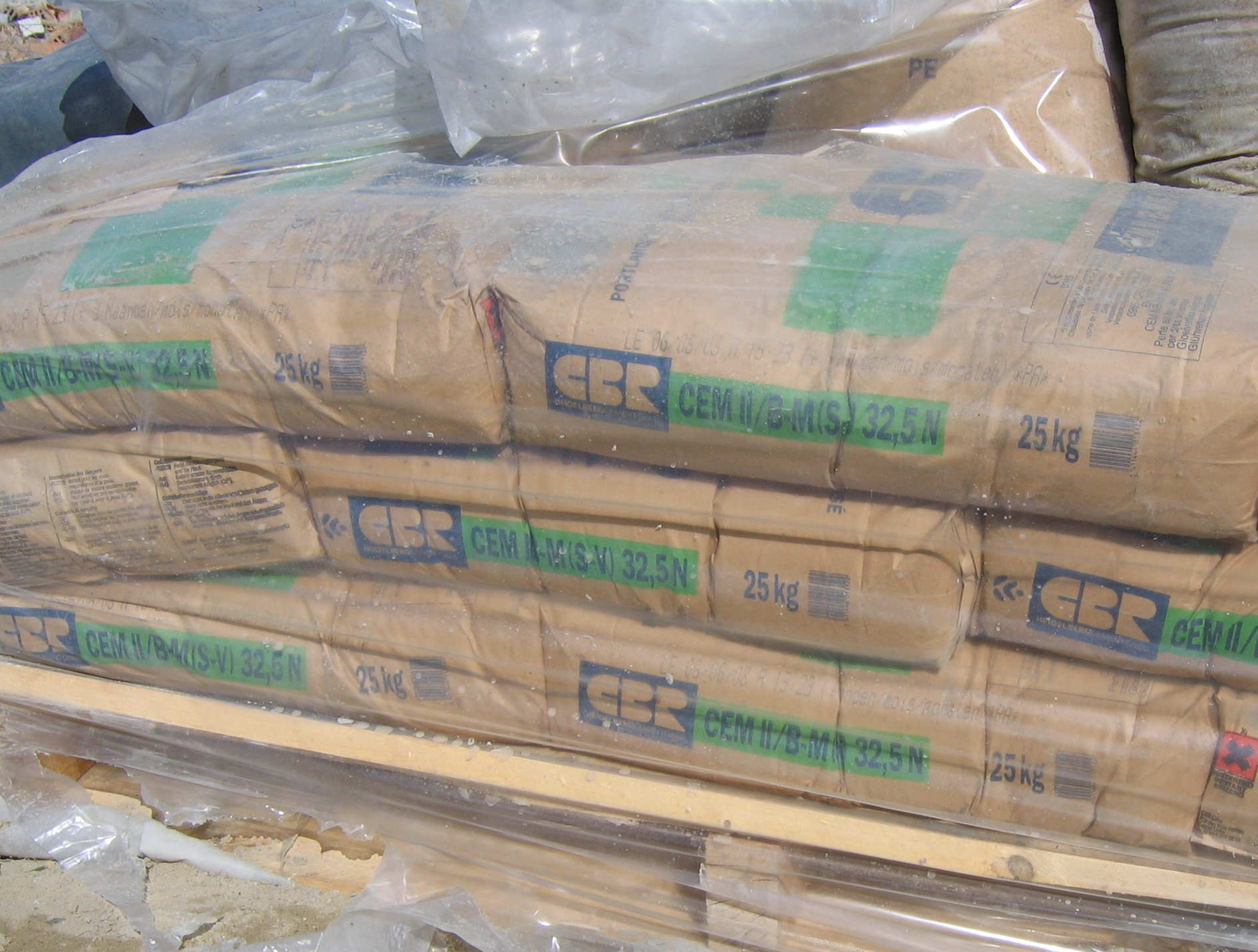
Decorative concrete is a structural material that has agreed to be looked at. The agreement starts in the batch. A trowel can only refine what the truck brought; a sealer can only deepen or disguise it. If the water was generous, the oxide timid, and the sand a different colour from the sample, the floor will tell on you for twenty years.
This is a materials essay, not a recipe. Mix design for a house slab still belongs with the engineer and the plant. What a homeowner or designer needs is a way to talk about the face without writing a novel the batcher cannot read.
Water, cement and the face
The water-cement ratio is the oldest lever in the shed. More water makes a mix easier to pull and a surface easier to weaken. Bleed water rises, fines come with it, and the top millimetres become a different, more porous concrete than the core. On a structural pour that will be covered, this is a durability conversation. On a decorative pour it is also a colour conversation. A thirsty, pale skin will take sealer in patches and will etch sooner.
The useful counter-lever is workability without water: a plasticiser or superplasticiser, chosen by the plant, that lets the mix move at a slump the crew can handle. Slump is not workability, though the words get swapped on site. Slump is a test number. Workability is whether the mix will go around the bar, sit in a riser form, and still be homogeneous when the poker comes out. A decorative mix that is sticky at a modest slump can be better than a wet mix that looks “easy” and then bleeds.
Specify the outcome and the constraints — strength, exposure, a target slump range, a colour sample — and let the plant propose the water. Specifying a water-cement ratio to two decimal places on a driveway is how you get a mix nobody stands behind.
Early traffic and early finishing fight the same battle. A mix that is too wet is finished too soon because it looks ready. The laitance is then a decorative layer with the structural competence of icing.
Supplementary cementitious materials in Australia
Australian plants routinely replace part of the Portland cement with fly ash, ground granulated blast-furnace slag, or both. The reasons are good: heat of hydration, later-age strength, chloride resistance, and a lower cement content that also happens to be a carbon conversation. The decorative consequences are less often said out loud.
Fly ash, historically abundant from coal-fired stations in New South Wales and Queensland, tends to warm or brown the paste and can improve workability. As stations close, the supply is less of a given. A plant that “always” used a certain ash last year may be blending differently this year. Colour moves when the ash moves.
Slag, tied to steelmaking, often lightens and cools the paste. It can make a pale architectural grey that people mistake for a white cement. It also slows early strength. A decorative crew used to striking a finish at a certain hour will find the slab “dead” for longer on a slag-rich mix, especially on a cool Melbourne morning. That delay is not a defect. It is a diary problem.
Silica fume appears less often in house work and more in specialised, dense mixes. It darkens and tightens. It is not a default decorative pigment.
None of these materials is a brand. They are classes, and they are not interchangeable on a job that has already approved a sample. If the plant substitutes, the sample is void. Write that down.
Aggregate colour and the sand you actually get
Cement paste is only part of the colour. Sand and stone show in any honed, polished, grit-blasted or exposed face, and they tint even a tightly trowelled skin. A yellow local sand will warm a grey oxide. A dark basalt will read as pepper. A pale limestone or a light river gravel will lift the whole slab.
Australian decorative work is regional in a way brochures flatten. A Brisbane plant and an Adelaide plant do not share a river. If you approve a sample in one city and pour in another, you have approved a different material. Even within a city, a plant may change sand pits. The question to ask is not “grey or charcoal”. It is “which sand, which stone, which quarry this month”.
For exposed aggregate, the stone is the architecture. Choose it as you would choose a tile — wet and dry, in the sun — and then choose a paste that recedes. A strong oxide paste behind a quiet stone is a fight. A quiet paste behind a lively stone is a floor.
Maximum size matters for the finish. A ten-millimetre stone is easier to trowel and to take around bar. A twenty-millimetre stone is cheaper and more ordinary, and it will tear a thin decorative topping. Furniture and benchtops want finer again. Do not let a house slab mix wander into a kitchen bench without someone admitting the section has changed.
Oxide loading
Iron-oxide pigments are the ordinary way to colour a mix through its body. Loading is usually talked about as a percentage of cementitious content. Too little and the slab is a mood, different on every truck. Too much and the pigment starts to interfere with the paste, costs rise, and the colour can look stuffed rather than deep.
Uniformity is the real specification. One dose, one plant, trucks that arrive as a continuous pour rather than as a morning and a next-week top-up. A driveway poured in two visits is two driveways. Oxide will not hide the cold joint; it will illustrate it.
Sample with the actual oxide batch if the job is pale or architectural. Dark charcoal hides variation. A soft eucalypt green or a blush pink will show every change in water and sand. Coloured concrete is a finish essay; this paragraph is only the reminder that colour is a dose in a truck, not a stain you can decide later.
Do not try to “warm up” a mix on site with extra oxide in a barrow. You will get a streak that cannot be repaired, only overlaid.
Plant versus site, and slump on the street
Almost all Australian decorative work of any size comes from a ready-mix plant. The plant has a quality system, a set of bins, and a habit. The site has a hose. The hose is how decorative mixes die.
Adding water at the kerb to “make it come” changes the water-cement ratio you thought you had specified. It also changes the colour, the set time and the bleed. If the mix is unworkable, the conversation is with the plant — a different admixture, a different slump target — not with the youngest labourer and a garden tap.
Site-batched decorative work still exists for furniture, small benches and patching. It is more variable. Weigh, do not scoop. Use the same bags for the whole object. Keep a note of the water. A planter that is two barrows, mixed “by eye”, is two planters.
On hot, windy days the plant and the site are in a race. Trucks wait, slump drops, someone adds water. Curing cannot rescue a mix that was rewritten in the driveway. Hold points and a weather call-off belong in the same sentence as the mix design.
Specifying without over-specifying
What belongs on the page
A useful decorative specification is short and checkable.
- Required strength and exposure class, so the engineer is still in the room
- Plant, or an equivalent plant, so the sand and stone are known
- Cementitious blend — general-purpose cement with named ranges for fly ash or slag, or a statement that the sample locks the blend
- Oxide type and dose, referenced to a sample, not only to a colour word
- Aggregate size and, for exposed work, the stone
- Target slump or spread, and a ban on water addition without a signed note
- Finish description: trowel, broom, hone, expose — and who owns the timing
What you do not need is a two-page essay copied from a civil job, naming every admixture brand and a water-cement ratio the plant will quietly ignore. Over-specification is how responsibility evaporates. The plant says the spec was unbuildable; the contractor says they followed the drawing; the slab says otherwise.
Ask for a mix docket on the day and keep it. Ask for the sample to be poured from a trial batch, not from a trowel of paste in a cup. If the job is a wall or a bench, the sample should be a wall or a bench. If it is a floor, walk on it.
The aim is not control for its own sake. It is a face you can stand beside in two years and still recognise as the one you approved — not because the specification was long, but because it named the few things that actually move colour, strength and wear.
Questions this piece answers
What water-cement ratio should a decorative slab use?
Lower is usually kinder to the face — less bleed, fewer weak surfaces, better colour hold — but the mix still has to be placed. A plasticiser that gives workability without extra water is the ordinary tool. A number without a plant conversation is not a specification.
Do fly ash and slag change the colour of decorative concrete?
Yes. Fly ash often reads warmer or slightly brown; slag often reads cooler and can lighten the paste. Both slow early strength and change how oxide is seen. Sample the actual supplementary cementitious blend, not a neat cement grey from last year.
Can I specify a decorative mix by colour name alone?
No. Colour is cement, supplementary materials, aggregate, oxide dose, water, cure and sealer. A name is a wish. A sample board from the same plant, with the same sand and stone, is a specification.
Keep reading in this hub
- Briefing a concrete contractor — samples and hold points
Good concrete is commissioned, not hoped for. This essay sets out a written brief, sample panels, hold points, weather call-offs and payment stages, plus the photographs this journal expects a reader to keep before anyone books a truck for the job.
- Low-carbon mixes, recycled aggregate and SCMs
A lower-carbon mix is a specification, not a colour. This essay looks at embodied carbon, the real availability of fly ash and slag in Australia, the limits of recycled aggregate on a decorative face, and the questions that separate a plant conversation from greenwash.
- AS 3600, AS 3727 and what homeowners actually need to know
Two Australian Standards govern most house concrete, and they are not interchangeable. This essay translates AS 3600 and AS 3727.1 into questions a homeowner can ask — certificates, engineers, decorative extras versus structural minimums — without pretending a journal article is legal advice.