Decorative concrete · 14 February 2024
Coloured concrete for Australian homes
Integral oxide, dry shake and topical stain behave differently under Australian UV. This piece explains batch consistency, sample panels, oxides versus dyes, when grey is the better brief, how Melbourne winters and Darwin wet seasons change the same pigment, and why a sealer is never a colour on its own.
By Elise Hart, Editor · Updated 2 March 2026
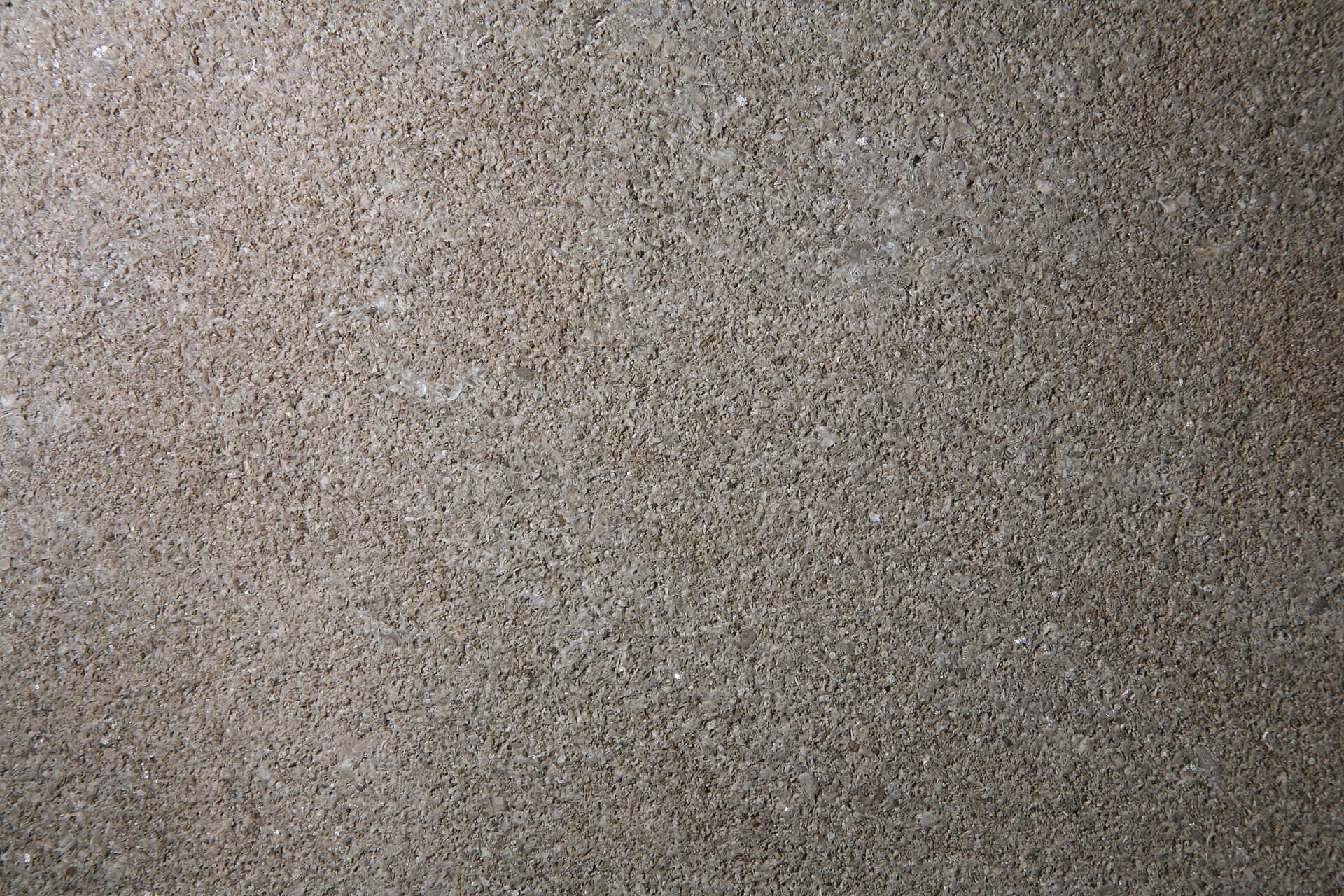
Colour in Australian concrete is not a finish you apply after the pour and then forget. It is a decision about how the slab will meet light that is, by world standards, unusually hard. The same iron oxide that reads as a quiet taupe on a Melbourne winter morning can flatten to a dusty biscuit by February in Darwin. The person choosing from a fan deck is choosing a photograph. The climate is choosing a twenty-year argument. Know which method put the colour there.
Three ways colour enters the slab
Most residential work in this country uses one of three families. They are not interchangeable, though they are often sold as if they were.
Integral oxide
Iron oxide is batched into the mixer so the colour runs through the full depth. What you grind, chip or saw later is still the same hue — paler or darker with the aggregate and the cement, but recognisably kin. For a house slab that will be repaired, this is the honest method. Specify dose by mass of oxide per cubic metre, not by a catalogue adjective. A typical architectural range sits between one and five per cent of cement mass. Sand colour, cement brand and water still show: a cream oxide over dark Victorian basaltic sand will never match the same oxide over pale Sydney sandstone sand. That is the material, not a defect.
Dry shake
A dry-shake hardener is broadcast onto the plastic surface and worked in with the float. The colour lives in a few millimetres. You get denser wear and a more saturated face than integral oxide at the same pigment cost, which is why it remains common on stamped and patterned driveways. You also get a layer that can wear through at the gate and the driver’s door. Once the grey body shows, a patch will be a patch. Specify a shake only where the colour is accepted as sacrificial, or as a complement to an integral base.
Topical stain and dye
Acid stains react with the paste and leave variegated mineral traces. Water-based stains and solvent dyes sit in the pores. Both can be beautiful on an interior that will be sealed and not baked. Outdoors in Australia they are the most fugitive of the three families: UV, irrigation overspray and the first aggressive clean will move them. They adjust an existing slab; they do not specify a new one, unless the client understands that the colour is a season. A topical colour sold as the cheap cousin of an overlay often postpones the real question of whether the host should be overcoated at all — a question that belongs with stencil and overlay systems.
Oxides are minerals; dyes are not
The distinction that matters in Australian light is chemistry, not a catalogue name. Synthetic iron oxides — reds, yellows, browns, blacks — are among the more UV-stable colourants in construction, the same family that colours bricks. Chromium oxide greens are similarly stubborn. Organic dyes penetrate well and photograph well on day three. They do not have the same right to a decade of north-facing exposure. If a sample board is vivid in a way no oxide fan has ever been, ask whether you are looking at a dye, and where that board has been sitting.
Colour that exists only in the top of the slab is colour you will eventually meet as a worn edge. Specify depth before you specify hue.
Ultraviolet light does not negotiate
Australian UV is not a single climate. Melbourne’s south-facing courtyard and Darwin’s west-facing driveway are different instruments.
In Melbourne the problem is often damp rather than fade. Oxide in a poorly cured winter pour can bloom and whiten when carbonation and efflorescence sit on a perfectly adequate pigment. The fix is curing and a patient first summer, not a darker oxide. Reactive clays in the city’s west and north add another complication: if the slab moves, a strong integral colour turns every hairline into a drawing. A quieter oxide, or grey, is kinder to that geology.
Darwin and the wet-dry tropics combine heat, UV and a long wet that drives moisture through the paste. Colour here wants a through-body oxide rather than a shake, and a sealer that can be renewed without building a skin that blisters in the build-up. Pale colours show fungal staining; very dark colours can make a barefoot path unusable by late morning in October. Dusty reds, muted browns, a slightly warmed grey — the middle of the oxide range is the climate speaking.
Perth’s UV is among the highest in the inhabited world; a dry-shake antique release that still looks plausible in Hobart after eight years may be a ghost on a Cottesloe driveway in four. Adelaide’s dry heat and reactive clays punish colour and jointing. Brisbane’s storms wash poorly bound topical colour into the garden bed. A national colour chart is not a national climate.
Batch consistency is a specification, not a hope
Two trucks from the same plant can disagree. Cement shade shifts between works. Water added on site lightens the paste. A crew that finishes one bay in shade and the next in full sun will lock in different bleed water. The oxide did not fail. The process did.
Treat the following as hold points, not courtesies:
- Oxide type and dose by mass, named on the mix docket, not as “charcoal” or “sandstone”.
- A single cement source and a fixed water-cement ratio for the whole pour, consistent with the structural intent of AS 3600.
- No water added on site except by the tester, and then recorded.
- Consecutive loads finished to the same programme, with construction joints where the day must stop.
- Curing that begins when the surface can take it, not when the crew is packing the trailer.
For a residential pavement under AS 3727.1 the structural and drainage requirements do not relax because the mix is pretty. Colour is additional discipline, not an alternative to thickness and falls.
The sample panel is the contract
A paper chip is a sales tool. A sample panel is the work. Pour it from the plant that will supply the job, at the dose you intend, on a base that resembles the real subgrade, and finish it with the same tools. Look at it wet and dry, at 7 days and at 28, in the morning and at 3 pm. If the house is in Townsville, do not approve a panel poured in a shaded inner-Brisbane yard.
Screens lie in the same direction as fan decks: they saturate, flatten texture, and omit the neighbour’s cream weatherboards. Stand on the panel. If the job will be sealed, seal half and leave half raw. That difference is usually larger than the gap between two adjacent oxides.
When grey is the more ambitious choice
Leaving concrete grey is not a failure of nerve. The better Australian modernism understood grey as a material with temperature, not as an absence. A well-cured grey slab beside bagged brick or a timber screen will often look more expensive at year ten than a fashionable taupe gone patchy at the hose bib.
Grey is the right brief when the architecture already carries a strong colour; when the slab will sit beside real stone or timber you do not wish to impersonate — the argument of when concrete should not imitate stone or timber; when the pour cannot be one consistent sequence; or when the client wants the slab to recede. Cement shade, finish and curing will still move grey from cool blue to warm biscuit. “Natural grey” on a drawing is a wish, not a specification.
Sealers change the colour you thought you bought
A sealer is not a colour, but it behaves like one. Solvent acrylics wet the surface and darken it, sometimes by a full step. Water-based acrylics shift it less. Penetrating silanes and siloxanes change colour least and protect against water marking more than against UV fade. Film-forming sealers renewed too often build a skin that yellows, whitens at wear paths, and turns the colour argument into a coating argument.
Colour and sealer must be chosen together. A muted integral oxide that looks correct raw can become a glossy chocolate under a wet-look acrylic seen on a warehouse display slab. That acrylic will need recoating. The longer chemistry sits in the journal’s piece on sealers, coatings and the Australian UV problem. Approve the sealed sample, budget the recoat, and do not ask a sealer to supply saturation the oxide did not. A film that makes a pale oxide look rich can also drop a pedestrian surface into a worse class under AS 4586 than the broom you started with.
Briefing colour without a catalogue fantasy
The useful conversation happens before the truck is booked. Ask what the slab must do — carry cars, take chairs, run to a pool, meet a heritage kerb — and whether the household will accept a visible repair. Then choose a method that can be repaired in kind: integral oxide first, dry shake only with a matching integral base, topical colour last and only with a written understanding of its life.
Australian houses do not need more sandstone-effect driveways. They need slabs whose colour was chosen for the light they will actually stand in, at a depth the wear will not erase, with a sample allowed to weather before anyone signed.
Questions this piece answers
Will coloured concrete fade in Australian sun?
Iron-oxide integral colour is among the more stable pigments available to a house slab, but no outdoor colour is immune to ultraviolet light. Dry-shake and antique-release colours fade faster. Topical dyes and some organic stains can shift within a few summers. A sealer delays dirt and water marking; it does not freeze a fan-deck chip in time.
Why do two trucks of the same mix look different?
Cement shade, water content, sand colour, finishing time and curing all move the final hue. Specify oxide by mass per cubic metre, keep the cement source and water-cement ratio fixed, and pour a sample panel from the same plant that will supply the job. Do not accept a paper chip as the contract colour.
When should a house keep grey concrete?
When the architecture is already carrying colour elsewhere, when the slab will be seen beside stone or timber that you do not want to imitate, or when maintenance access is poor. Grey is a material, not a default. It also hides batch variation better than a pale oxide in hard light.
Keep reading in this hub
- When concrete should not imitate stone or timber
Faux slate and printed timber ask concrete to impersonate a material it will outlast. This essay argues for honest grey and oxide in the lineage of Australian modernism, names when a stamp becomes kitsch, and sets out the few cases — access, heritage streetscape — where imitation still earns its keep.
- Stencil and overlay systems for tired slabs
An overlay is honest when the host slab can still carry load and moisture. This article explains bond, polymer overlays versus microtoppings, stencil colour, why movement joints must continue through the new face, typical delamination and mapping cracks, and when the only kind repair is to rip the slab out.
- Exposed aggregate driveways that last in Australian sun
Seeded stone and integral aggregate age differently in Adelaide heat, Perth UV and Brisbane storms. This piece covers local basalt, granite and river pebble, surface retarders, wash timing, sealer and hot-tyre marks, and the drainage falls that AS 3727.1 expects of a residential pavement that will still look like stone in twenty years.